
BPC-157 – An Emerging Candidate in Spinal Cord Injury Research

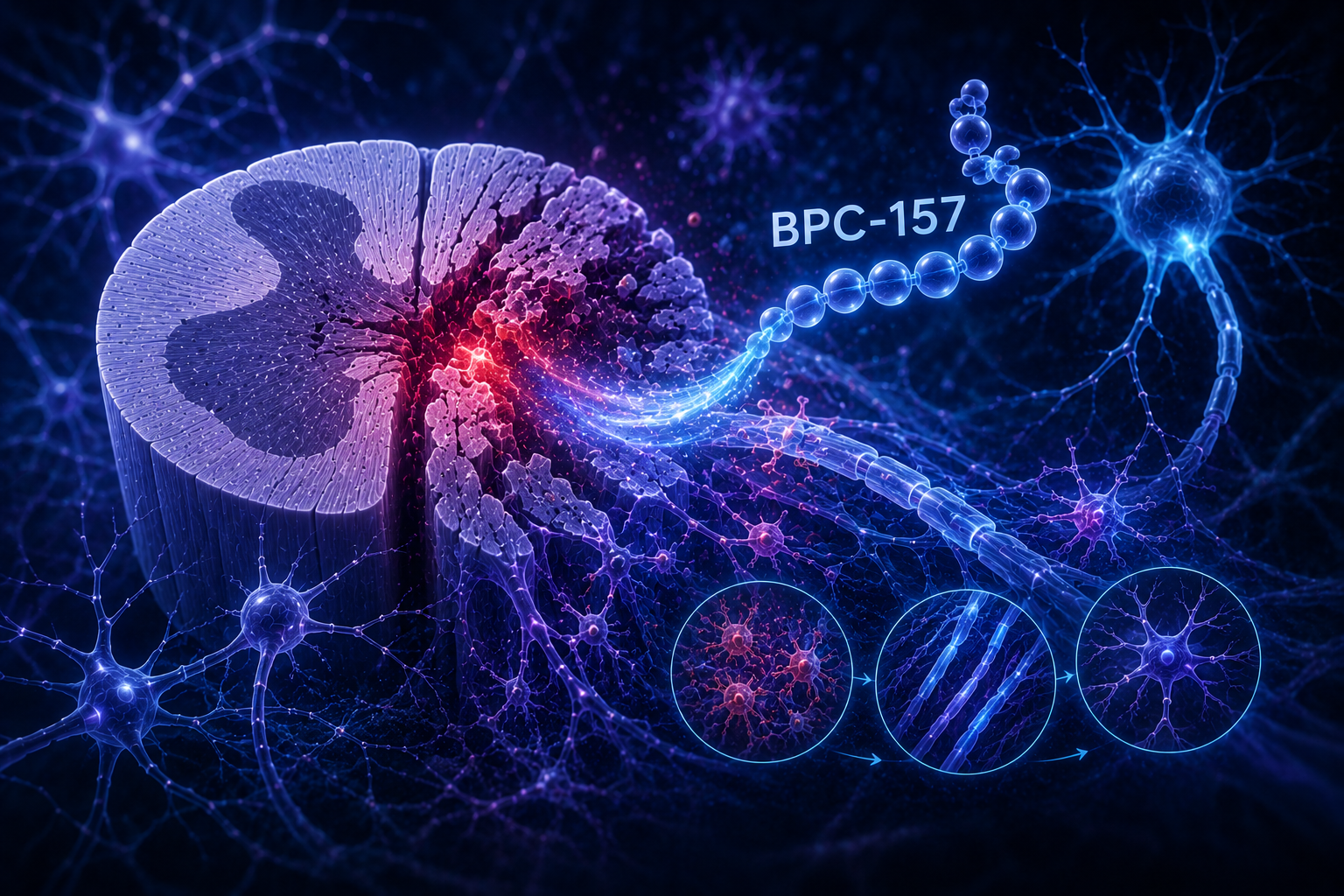
Related Posts

Polylaminin: A Biomimetic ECM Scaffold for Neural Repair
Introduction
The adult central nervous system (CNS) has a limited capacity for self-repair. Followi...

Beyond the Injury: Spirituality as a Companion to Recovery
When people speak about spinal cord injury, the conversation often revolves around surgery, rehabili...

Epidural Stimulation: Electrical Activation of Spinal Circuits After SCI
Epidural stimulation (ES) is an experimental neuromodulation approach in which a small array of elec...

Hypnosis: Exploring Its Role in Pain, Stress, and Neuropsychological Support
• Hypnosis is a psychological state characterized by focused attention, reduced peripheral awareness...

Thymosin β4 (TB-500): A Multifunctional Peptide in Neural and Tissue Repair
Thymosin β4 (Tβ4), also known in synthetic research form as TB-500, is a naturally occurring 43–amin...

Chondroitinase ABC (ChABC): Enzymatic Degradation of Inhibitory ECM After Spinal Cord Injury
Introduction
After spinal cord injury (SCI), the central nervous system responds with inflammatio...
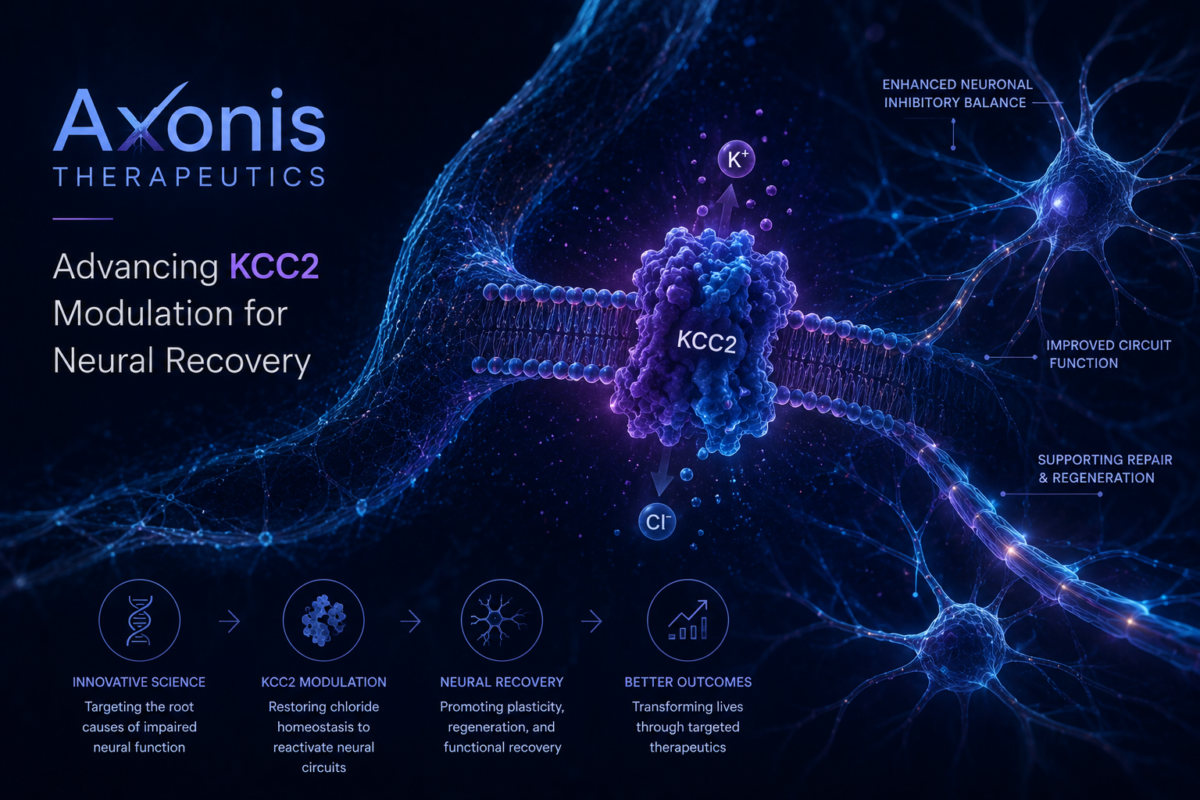
Axonis Therapeutics: Advancing KCC2 Modulation for Neural Recovery
Introduction
Axonis Therapeutics is a biotechnology company developing first-in-class oral small-...

GHK-Cu: Exploring a Naturally Occurring Peptide in Tissue Repair and Wound Biology
Introduction
GHK-Cu is a naturally occurring peptide–copper complex found in human plasma, saliva, ...

KCL-286: A Selective RARβ Agonist for Neural Repair
Introduction
KCL-286 is an orally administered small-molecule drug being developed to support rep...

The Impact of Nicotine and Smoking on Spinal Cord Injury Recovery
Nicotine and smoking have long been linked to various negative health outcomes, but their effects on...
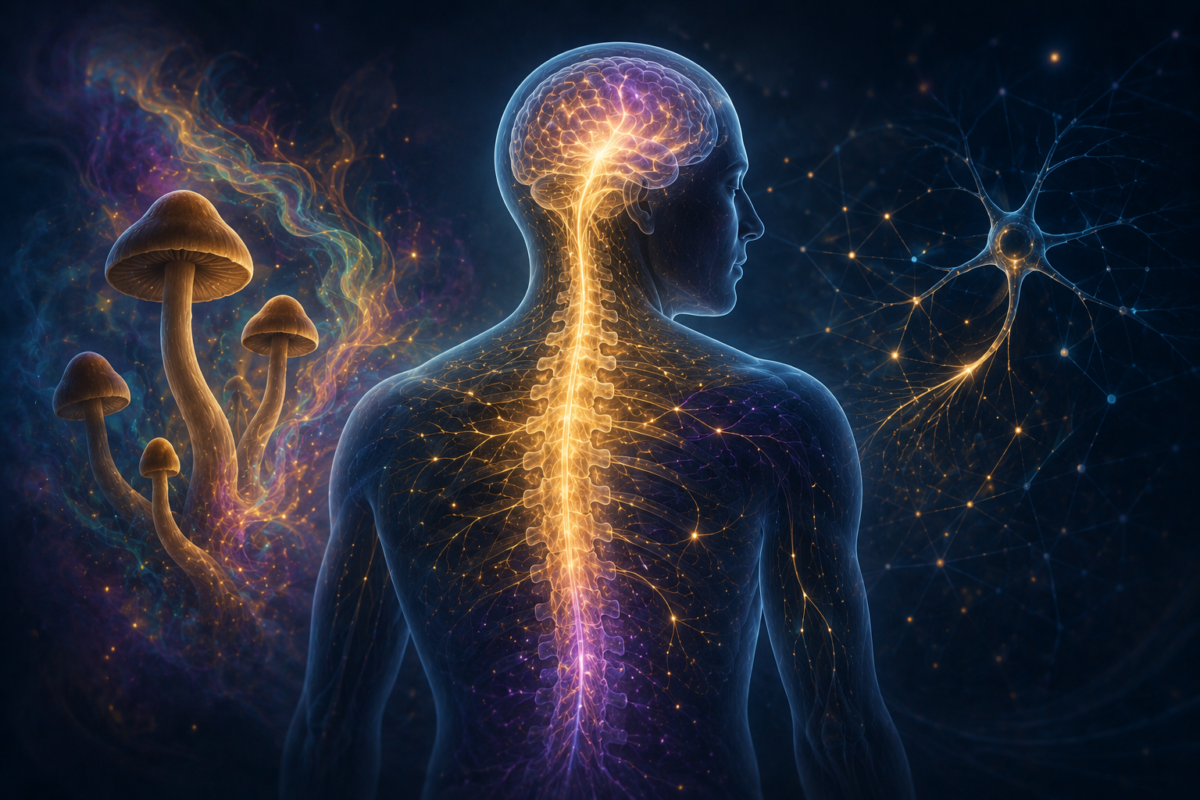
Psilocybin and Spinal Cord Injury (SCI)
Overview
Psilocybin is a naturally occurring compound found in certain mushrooms. When taken, the...
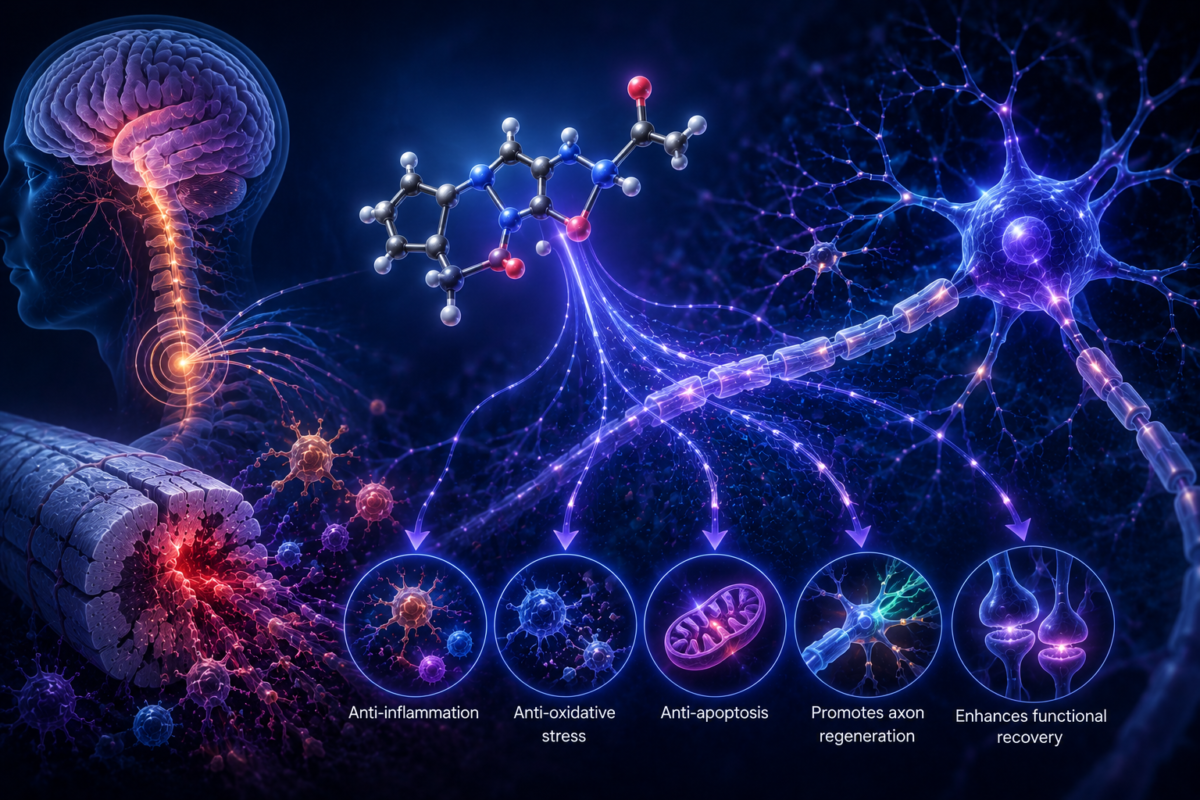
Thiorphan: Mechanism, Neuroprotective Effects, and Potential in Spinal Cord Injury and Brain Disorders
Thiorphan is a potent inhibitor of neutral endopeptidase (NEP), also known as CD10, neprilysin, and ...