
spinal cord injury

Polylaminin: A Biomimetic ECM Scaffold for Neural Repair
Introduction
The adult central nervous system (CNS) has a limited capacity for self-repair. Followi...
Beyond the Injury: Spirituality as a Companion to Recovery
When people speak about spinal cord injury, the conversation often revolves around surgery, rehabili...

Epidural Stimulation: Electrical Activation of Spinal Circuits After SCI
Epidural stimulation (ES) is an experimental neuromodulation approach in which a small array of elec...
Hypnosis: Exploring Its Role in Pain, Stress, and Neuropsychological Support
• Hypnosis is a psychological state characterized by focused attention, reduced peripheral awareness...

Thymosin β4 (TB-500): A Multifunctional Peptide in Neural and Tissue Repair
Thymosin β4 (Tβ4), also known in synthetic research form as TB-500, is a naturally occurring 43–amin...

Chondroitinase ABC (ChABC): Enzymatic Degradation of Inhibitory ECM After Spinal Cord Injury
Introduction
After spinal cord injury (SCI), the central nervous system responds with inflammatio...
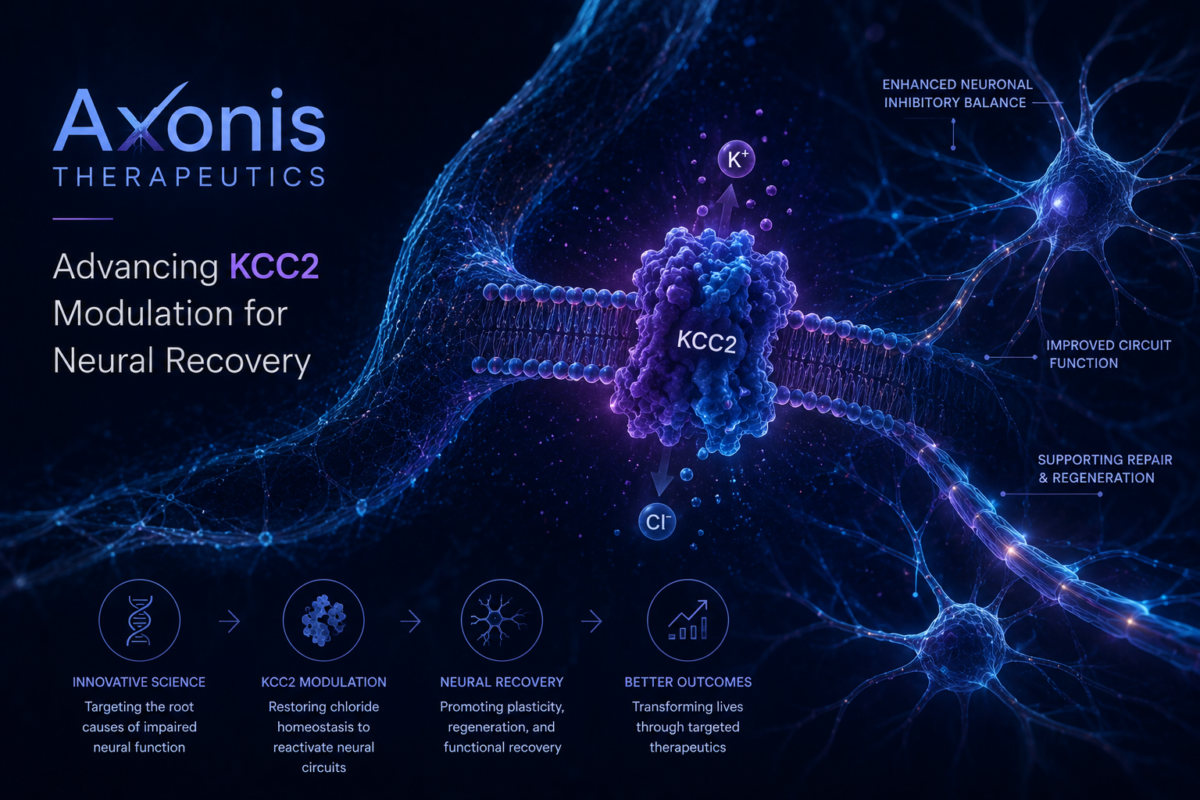
Axonis Therapeutics: Advancing KCC2 Modulation for Neural Recovery
Introduction
Axonis Therapeutics is a biotechnology company developing first-in-class oral small-...

GHK-Cu: Exploring a Naturally Occurring Peptide in Tissue Repair and Wound Biology
Introduction
GHK-Cu is a naturally occurring peptide–copper complex found in human plasma, saliva, ...

KCL-286: A Selective RARβ Agonist for Neural Repair
Introduction
KCL-286 is an orally administered small-molecule drug being developed to support rep...

Pharmacologic and Cellular Approaches in Spinal Cord Injury: A Critical Overview
Article reviewed:
Khalid SI et al. Pharmacologic and cellular therapies in the treatment of traumat...