Thiorphan: Mechanism, Neuroprotective Effects, and Potential in Spinal Cord Injury and Brain Disorders

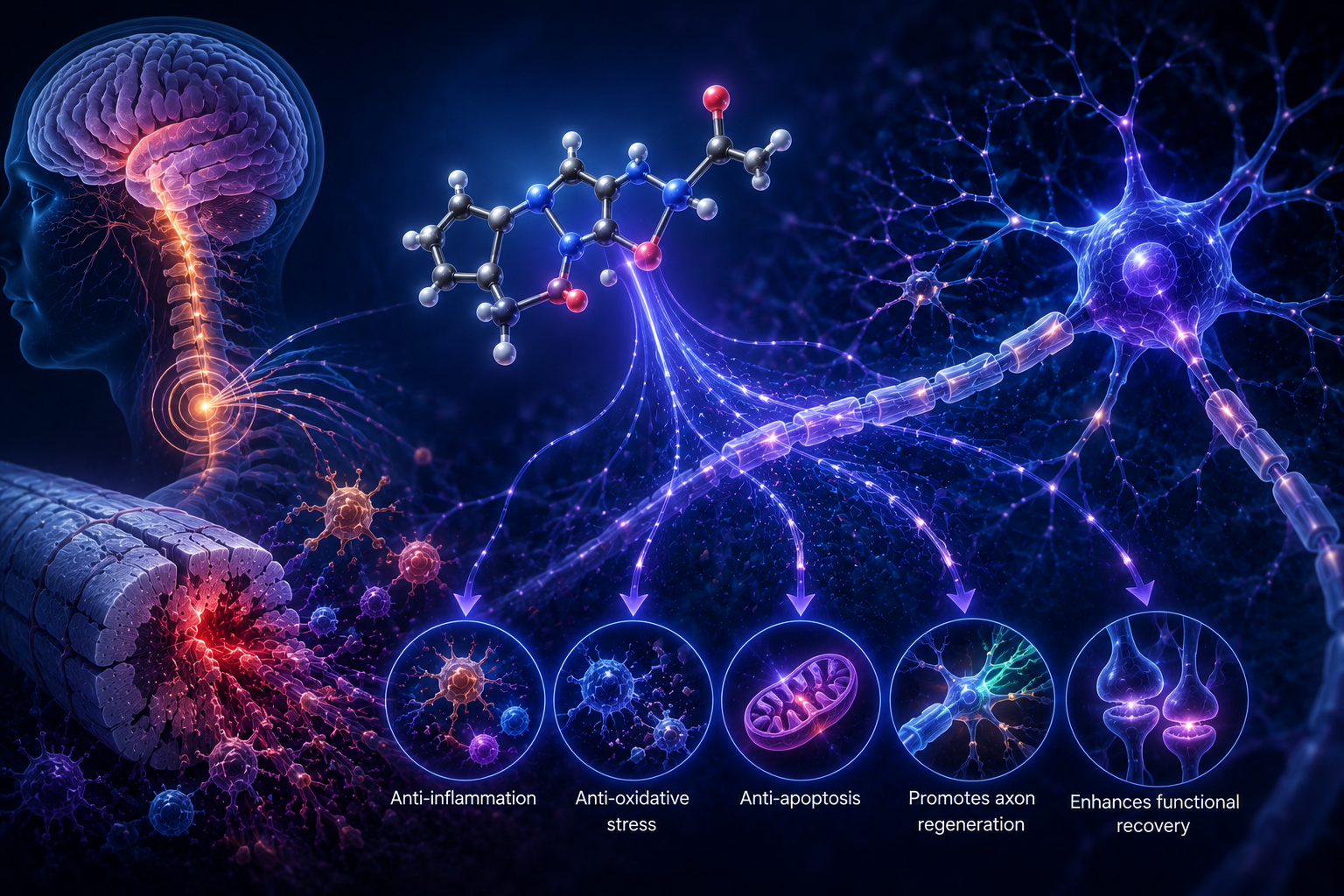
Thiorphan is a potent inhibitor of neutral endopeptidase (NEP), also known as CD10, neprilysin, and CALLA. NEP is a zinc-dependent metalloprotease involved in the degradation of bioactive peptides such as substance P, enkephalins, atrial natriuretic peptide (ANP), and bradykinin. These peptides are crucial for neuronal signaling, tissue repair, and immune response. Dysregulation of NEP is linked to various diseases, including Alzheimer’s and colorectal cancer. Inhibition of NEP by Thiorphan increases the levels of these neuropeptides, enhancing neuroprotective signaling, making it a promising candidate for treating neurodegenerative diseases and neuronal injuries.
Neuroprotective Effects of Thiorphan in Brain Injury
Thiorphan has been shown to protect cortical neurons from excitotoxic cell death, particularly in neonatal brain injury models. In studies, Thiorphan prevented the loss of neurons in the cortical grey matter of neonatal mice subjected to excitotoxic injury, suggesting that Thiorphan may be particularly beneficial for protecting the brain in newborns at risk for conditions like cerebral palsy (CP).
Thiorphan in Spinal Cord Injury (SCI)
Thiorphan has shown significant potential in enhancing recovery from spinal cord injury (SCI). The results showed that Thiorphan significantly enhanced functional recovery and axonal regeneration, particularly when combined with neural progenitor cell (NPC) grafts. Thiorphan promoted corticospinal tract (CST) axon regeneration and improved motor function in these models.
In Vitro and In Vivo Studies of Thiorphan
Further studies have examined Thiorphan’s effects on neurite outgrowth in cultured neurons from various species, including adult primates and humans. In invitro screening systems, Thiorphan significantly increased the growth of neurites and the length of the longest neurite. These studies demonstrated that Thiorphan’s effects on neurogenesis are not limited to rodent models but extend to primates and human neurons, confirming its translational potential.
Comparative Studies Across Species
In comparative studies, the effect of Thiorphan on neuronal growth was similar in mice, monkeys, and humans, although human neurons showed a more variable response. This indicates that Thiorphan’s neurogenic effects are conserved across species, making it a promising candidate for human clinical trials.
Safety and Cellular Viability
In all tested models, Thiorphan did not cause any significant cell death or reduction in cell viability. These findings suggest that Thiorphan is safe for use in neuronal cultures and may have a low risk of toxicity in clinical applications.
Conclusion and Clinical Implications
The neuroprotective effects of Thiorphan make it a promising therapeutic agent for spinal cord injury, cerebral palsy, and other neurological disorders. Its ability to promote neurite growth, enhance axonal regeneration, and protect against excitotoxic damage positions Thiorphan as a leading candidate for neuroregenerative therapies. As research continues, Thiorphan could become an important part of treatment strategies for neurological injuries, enhancing functional recovery and offering neuroprotection in acute and chronic conditions.