
Investigating the Regenerative Potential of ISP and BPC-157 in Chronic Spinal Cord Injury
Developing new therapies for spinal cord injury requires more than identifying promising therapeutic molecules. It demands rigorous preclinical research, reliable experimental models, and technologies capable of generating reproducible scientific evidence. At Neural Drug Research, we combine neuroscience, regenerative biology, and biomedical engineering to investigate innovative therapeutic strategies while building the research infrastructure needed to support their development.
This project focuses on evaluating the regenerative potential of Intracellular Sigma Peptide (ISP) and Body Protection Compound-157 (BPC-157) in a preclinical model of chronic spinal cord injury. Unlike acute injury, the chronic stage is characterised by a stable inhibitory environment, where extracellular matrix molecules, persistent inflammation, and limited intrinsic regeneration create major barriers to neural repair. By investigating these peptide-based interventions under clinically relevant conditions, we aim to generate meaningful insights into the mechanisms of regeneration and contribute to the development of future therapeutic strategies.
Building the Experimental Platform
High-quality preclinical research relies on standardized methods and dependable experimental systems. As part of this project, the Neural Drug Research team has designed and developed several key technologies in-house to support every stage of the study.
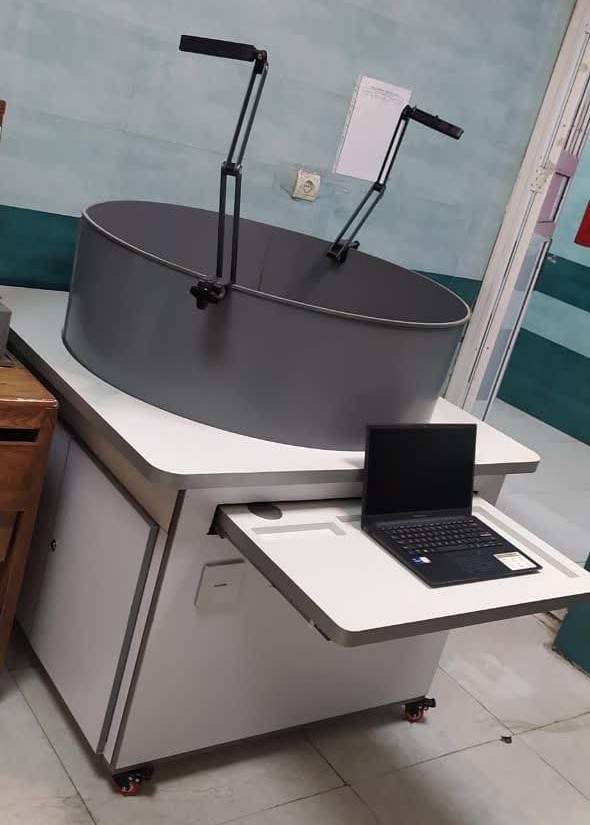
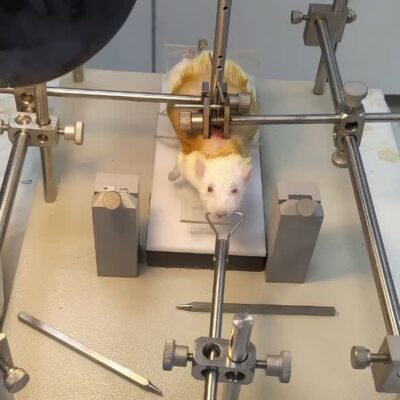
These include a customised spinal cord impactor for producing consistent contusion injuries and a dedicated Open Field behavioural assessment system for evaluating locomotor recovery. Developed with reference to established research standards and modern engineering principles, these systems have been designed to maximise precision, consistency, and long-term reliability.
The project is further supported by integrated histological, immunohistochemical, and molecular analyses, enabling structural, cellular, and molecular changes following injury and treatment to be investigated within a comprehensive experimental framework.
Designed for Translational Research
This project extends beyond evaluating two therapeutic candidates. It establishes an integrated preclinical platform that combines standardized injury models, purpose-built research technologies, behavioural assessment, and complementary laboratory analyses into a unified research workflow.
By creating a reproducible and adaptable experimental framework, this platform will support not only the current investigation but also future studies exploring peptides, biomaterials, extracellular matrix modulation, and other emerging regenerative approaches for disorders of the central nervous system.
Why This Research Matters
Despite decades of research, effective regenerative therapies for chronic spinal cord injury remain limited. Progress depends on carefully designed studies that not only evaluate promising interventions but also produce reliable, reproducible evidence capable of guiding future scientific and clinical advances.
By combining innovative peptide-based therapies with dedicated experimental technologies, this project strengthens both the scientific understanding of neural repair and the research infrastructure needed to accelerate the development of future regenerative strategies.
Looking Ahead
This project represents the foundation of a broader regenerative neuroscience programme at Neural Drug Research. The technologies, methodologies, and expertise established through its development will provide a platform for investigating additional therapeutic candidates and multidisciplinary approaches aimed at promoting neural repair and functional recovery after spinal cord injury and other disorders of the central nervous system.